The Best Tennis Shoes for Kids – Safe, Stable and Non-Slip: A Coach’s Guide
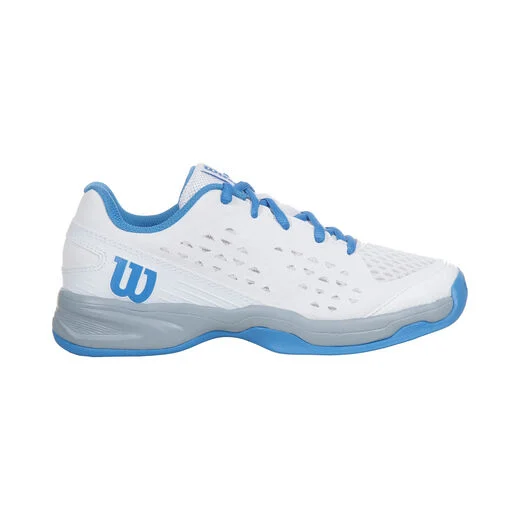
The Best Tennis Shoes for Kids – Stable, Safe and Non-Slip: A Coach’s Complete GuideProper tennis shoes are just as important for kids as the right racket. They protect young players from injuries, improve movement quality, and give more confidence during training and matches. Yet many parents buy their children simple “sports shoes,” which are not designed for lateral movement, quick stops, or tennis-specific footwork.In this professional guide, you’ll learn what to look for in kids’ tennis shoes, which models are truly worth buying, and which mistakes parents should avoid.—1. Why Kids Need Real Tennis Shoes (Not Regular Sneakers)Tennis involves:fast startsquick stopslots of side-to-side movementsliding (especially on clay)explosive accelerationWrong shoes can lead to:ankle sprainsknee painunstable footworklack of balanceslipping and fallsfoot fatigueA good tennis shoe provides:strong lateral supporta non-slip outsolestable heel countergood cushioningstrong upper materialslow weight for quick movementKids immediately feel the difference — especially during fast rallies.—
2. The Right Outsole: Hardcourt, Clay or IndoorTennis shoes come in different outsole types depending on the court surface.Hardcourt (All Court)
✓ durable and universal
✓ strong grip on most surfaces
✓ great for kids who train in different placesClay Court (Clay)
✓ herringbone pattern
✓ ideal for controlled sliding
✓ prevents the shoe from trapping clayPerfect for European clubs where most children practice on clay courts.Indoor
✓ light-colored, non-marking sole
✓ strong grip on smooth hall floors✗ NOT suitable for outdoor useMany parents mistakenly buy only indoor shoes, which wear out quickly outdoors.—
3. Tennis Shoes vs Running Shoes — The Key DifferencesMany kids come to training in running shoes.But running shoes are designed for straight-line movement — not for tennis.
Running shoes:soft, flexible sidewalls → risk of twisting ankleshigh heel → unstable on quick stopstoo flexible for tennis footworkthe sole wears out very fast on courtsTennis shoes:wide, stable basestrong lateral supportreinforced toe areanon-slip outsoledesigned for sudden direction changes
Running shoes are great for running —but for tennis, kids must wear tennis shoes.—
4. What Parents Should Look For When Buying Kids’ Tennis ShoesStabilityThe shoe must hold the foot firmly, especially around the ankle and midfoot.CushioningKids jump, stop abruptly, and run a lot — they need proper protection for their joints.WeightLight shoes = faster movement and better footwork.BreathabilityEssential in summer. Mesh is always a plus for kids.
FitThe foot must not slide inside the shoe, but the shoes must not be too tight either.Outsole FlexibilityThe forefoot should bend slightly — this supports natural foot rolling.—
5. What Size Should You Choose? (Size Guide EU–cm)As a tennis coach, I recommend:One thumb’s width of space (0.7–1.0 cm) in the front.EU Size Foot Length (cm) Recommended Age33–34 20.0–21.0 6–7 years35–36 21.5–22.5 7–9 years37–38 23.0–24.0 9–11 years39–40 24.5–25.0 11–13 years
⚠️ Note: Tennis shoes often run smaller. A half-size up may be necessary.—
6. The Best Tennis Shoes for Kids – Coach’s Top RecommendationsThese models have proven to be excellent choices for young players based on thousands of training sessions.
1. Asics Gel-Resolution Kidoutstanding stabilitystrong supportextremely durable→ Ideal for kids who train 2–4 times a week.
2. Nike Court Zoom Juniorlightweightexcellent comfortmodern design→ Great for fast and active kids.
3. Adidas Barricade Juniorincredible stabilityunbeatable gripvery durable→ Excellent for clay courts.
4. Head Sprint 3.5 Juniorflexiblecomfortablebreathable→ Perfect for beginners and young players.
5. Babolat Propulse All Court Juniorstable and powerfulreinforced toe areasuitable for all surfaces→ A strong all-around option.—
7. Training Tips for Kids Wearing New Tennis Shoes1. Warm them up for 10–15 minutesNew shoes are stiff — warming up reduces injury risk.
2. Tie the laces properlyMany kids tie them loosely → unstable movement → higher injury risk.
3. Use them only for tennisUsing tennis shoes exclusively for tennis extends their lifespan.
4. Pay attention during speed drillsGood shoes = better balance on forehands, backhands, and split steps.—
8. Common Mistakes Parents Make When Buying Tennis Shoes
❌ Buying “school shoes” instead of tennis shoes
❌ Choosing shoes “to grow into” (too big)
❌ Running shoes for tennis (very dangerous)
❌ Indoor shoes for outdoor courts
❌ Buying by color and design only
❌ Not checking the outsole typeCorrect shoes make a huge difference in a child’s confidence and technique.—
9. How Often Should Kids Replace Tennis Shoes?Based on training intensity:
1–2 times per year for casual training
3–4 times per year for serious training (3–5 times per week)Signs that shoes need to be replaced:outsole is worn flatchild slips more oftenloss of supportfoot or knee painthe shoe has become too small due to growthGrowing kids need regular replacement — not only for comfort but for safety.–
-10. Final Conclusion – Which Shoes Should You Buy?
Kids need stable, non-slip, lightweight tennis shoes that support fast lateral movement.Based on coaching experience, the best models are:
Asics Gel-Resolution
KidNike Court Zoom
JuniorAdidas Barricade
JuniorHead Sprint 3.5
JuniorBabolat Propulse All Court
JuniorWith the right tennis shoes, your child will move safer, play more confidently, and develop better technique — and most importantly, enjoy tennis much more.