How to Choose the Right Tennis Racquet for a Child Aged 10–12
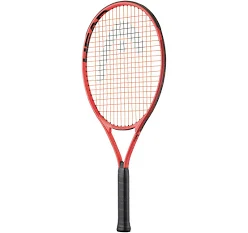
How to Choose the Right Tennis Racquet for a Child Aged 10–12 Years
Choosing the right tennis racquet for a child between 10 and 12 years old is an important step in their development as a young athlete. At this stage, children are physically stronger, their coordination is improving, and many have already had their first experience on the tennis court. A suitable racquet not only ensures better performance but also helps prevent injuries and keeps the child motivated to continue training.
In this article, we will go through the key factors to consider when buying a junior racquet, including size, weight, grip, material, and string pattern. These recommendations apply both to recreational players and young athletes training at a competitive level.
🎾 Why Racquet Selection Matters for 10–12-Year-Olds
At the age of 10–12, children are typically transitioning from beginner equipment to more advanced gear. They train more frequently, hit harder, and start using proper topspin and slice techniques. A racquet that is too heavy, too long or not well balanced can slow down their progress or lead to wrist, elbow, or shoulder problems.
On the other hand, the right racquet helps them:
- Develop cleaner technique
- Generate more power without forcing the swing
- Improve control and consistency
- Build confidence and enjoyment on court
📏 Racquet Length – 26 Inches Is the Standard
For most children aged 10–12, the recommended racquet length is 26 inches (66 cm). This size is longer than smaller junior racquets (19–25 inches) and is one step below a full-sized adult racquet (27 inches). A 26-inch racquet offers the perfect balance between control and power.
Only in rare cases—such as highly trained or physically advanced 12-year-olds—can a 27-inch racquet be used, but only under coach supervision.
⚖️ Weight – Light Enough for Comfort, Heavy Enough for Stability
The ideal weight range for a junior racquet at this age is 245–280 g unstrung. The child should be able to swing the racquet without strain. A racquet that is too heavy can cause poor technique and injuries, while a racquet that is too light can lack power and stability.
Always test the racquet by letting the child swing it several times. If they can swing freely and quickly with good control, the weight is appropriate.
🔄 Balance – Head-Light for Better Control
Junior players benefit from head-light balanced racquets, which make it easier to accelerate the racquet and control the stroke. Head-heavy racquets generate more power but can overload a child’s arm. For most young players, control and stability are more important than raw power.
✋ Grip Size – Often Overlooked but Essential
The correct grip size is crucial for comfort and injury prevention. For children aged 10–12, the typical grip size falls between 0 and 1 (European size), which equals 4”–4 ⅛” (US size).
A quick test: When the child grips the racquet, there should be just enough space to fit the index finger of the opposite hand between the fingertips and the palm.
If you’re unsure, it’s better to choose a slightly smaller grip and add an overgrip later.
🪶 Materials and Technology
Most modern junior racquets are made from graphite or composite materials. Avoid cheap aluminum racquets for children at this level – they are too flexible, vibrate a lot, and do not provide enough control.
Graphite or graphite composite racquets:
✔ Reduce vibration
✔ Provide more control
✔ Are more durable
✔ Allow children to play with proper technique
🎾 String Type and Tension
For children aged 10–12, a soft and comfortable string is ideal – usually synthetic gut or multifilament. Polyester strings are not recommended unless the child is already competing at a high level.
String tension:
➡️ Lower tension = more power
➡️ Higher tension = more control
Recommended range: 22–25 kg
🔍 Recommended Racquets for 10–12-Year-Olds (26”)
Here are some popular and high-quality models:
- Babolat Pure Aero Junior 26 – for children who like spin and power
- HEAD Speed Junior 26 – a balanced racquet for developing technique
- HEAD Radical Junior 26 – ideal for control-oriented players
- Wilson Clash 26 – extra arm-friendly and flexible
- Yonex EZONE 26 – light, comfortable, and precise
All these racquets are available in tennis shops, online stores, or through your local coach.
🧑🏫 Recommendation from Tennis Coach Roman Ponomarenko (Graz, Austria)
According to certified tennis coach Roman Ponomarenko, who trains children in Graz:
“For players aged 10–12, the most important factors are the correct length, manageable weight, and a comfortable grip. A 26-inch graphite racquet is usually the best choice. The racquet should help the child develop proper technique instead of making them work harder.”
He also emphasizes that testing is extremely important. If possible, borrow or demo the racquet before buying it.
❓ Common Mistakes Parents Make
❌ Buying an adult racquet too early
❌ Choosing racquets based on color/design instead of performance
❌ Buying a racquet that is too heavy “to grow into”
❌ Ignoring grip size
❌ Using cheap aluminum racquets for advanced children
✔️ Summary Checklist
A suitable racquet for a child aged 10–12 should be:
✔️ Length: 26 inches
✔️ Weight: 245–280 g (unstrung)
✔️ Balance: Head-light
✔️ Material: Graphite or composite
✔️ Grip size: 0–1
✔️ Comfort-oriented strings
🏆 Conclusion
Choosing the right tennis racquet for a child aged 10–12 is an investment in their long-term development. The racquet should support technique, protect the player physically, and increase enjoyment of the game. With the right equipment, children learn faster, feel more confident, and are more likely to continue playing tennis as they grow.
If you are unsure about size or model, always consult a coach or request a test racquet. A well-chosen racquet can make the difference between frustration and rapid improvement.